Nicolas Aubagnac
Collections
ETOILE
_lamp
 1 / 6
1 / 6
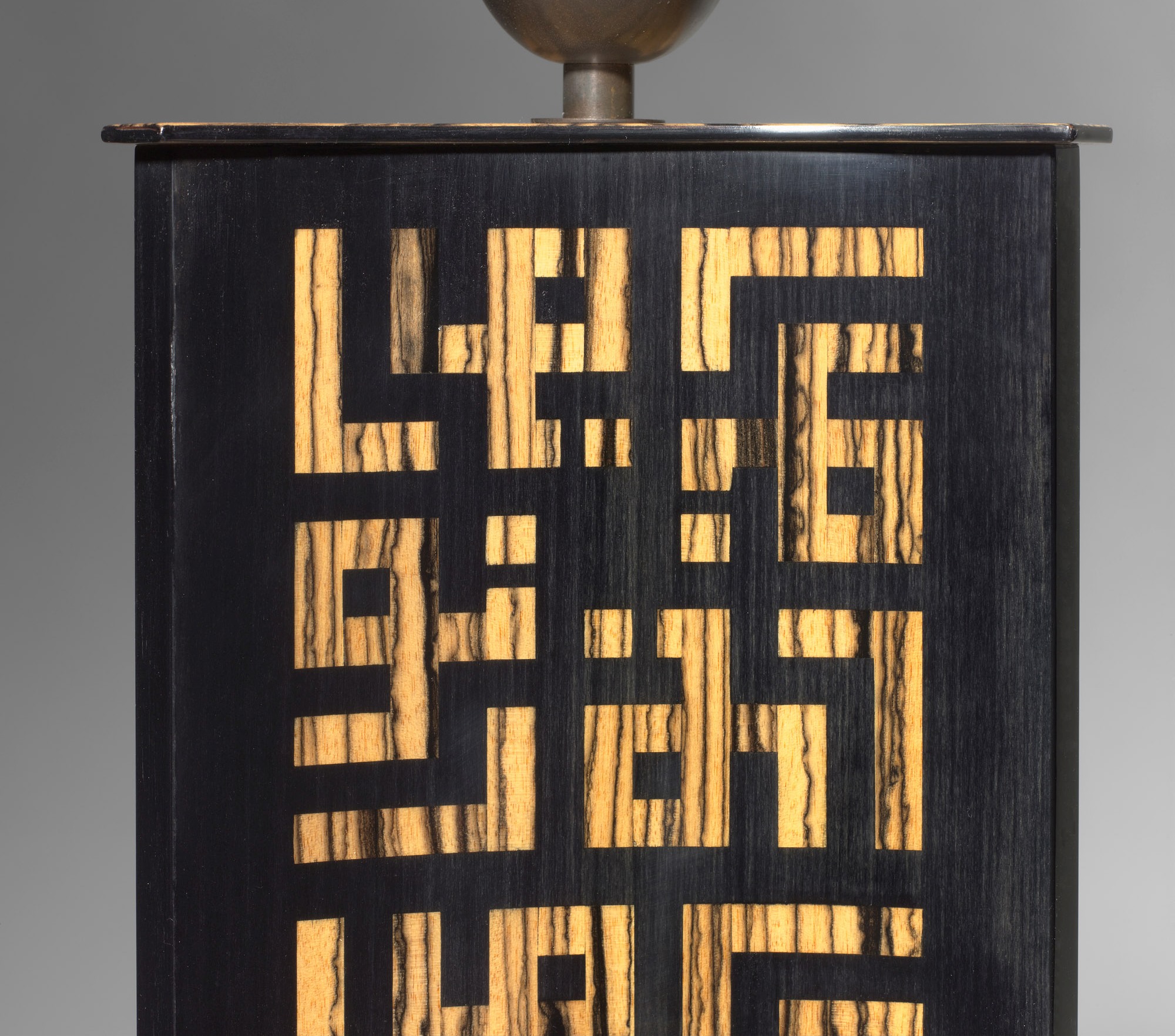
luxury, calm, pleasure
Like an open book
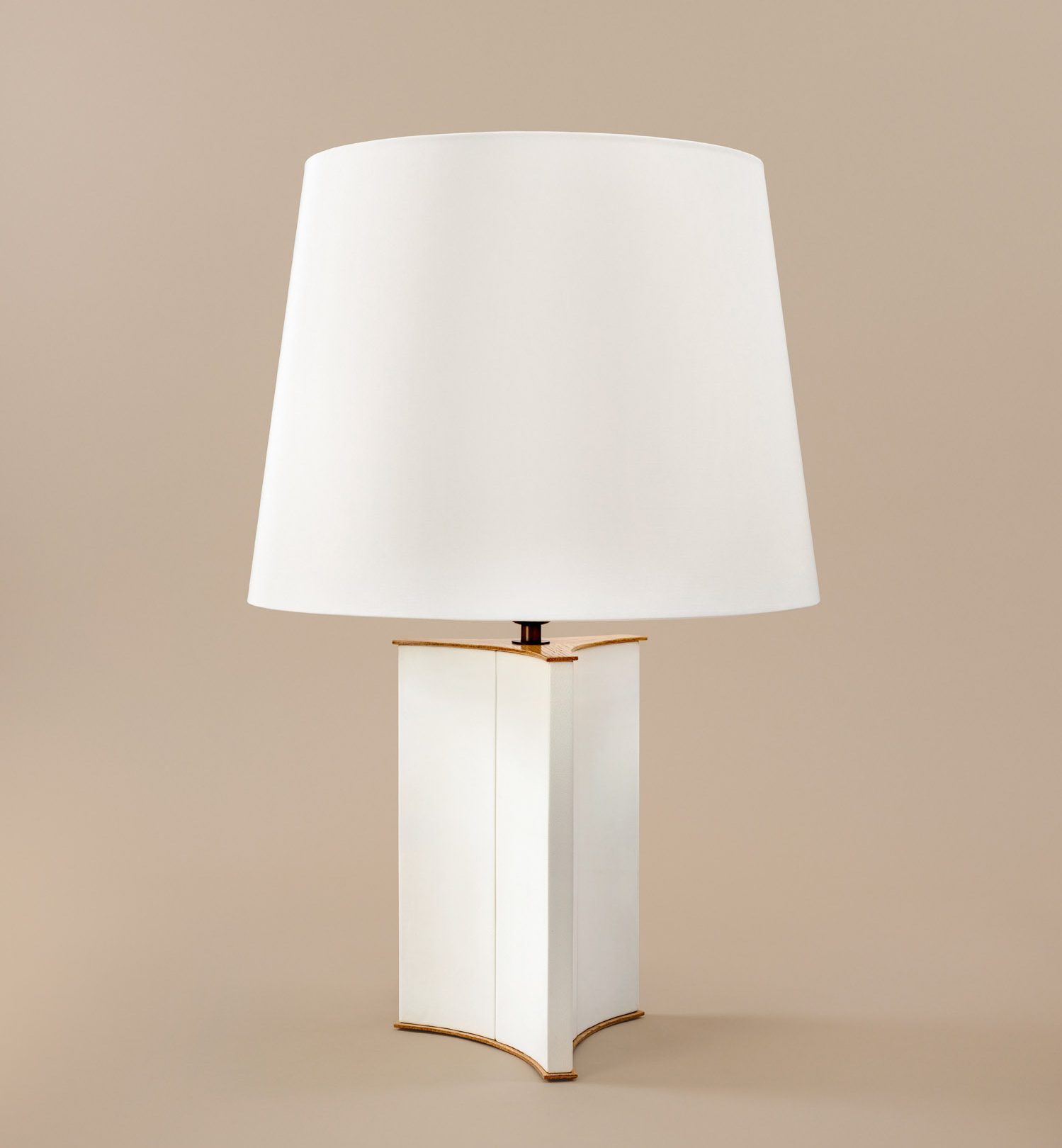
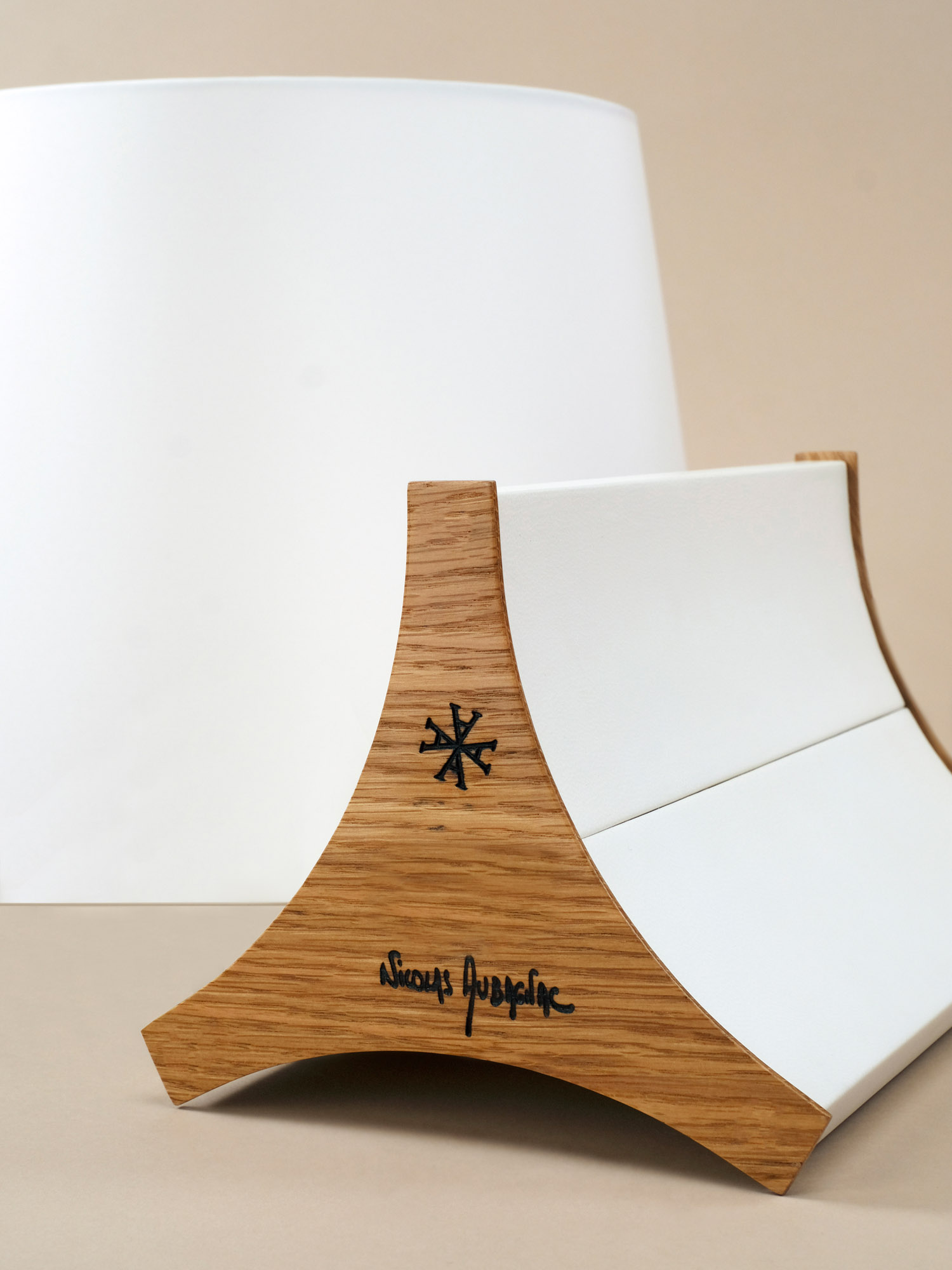
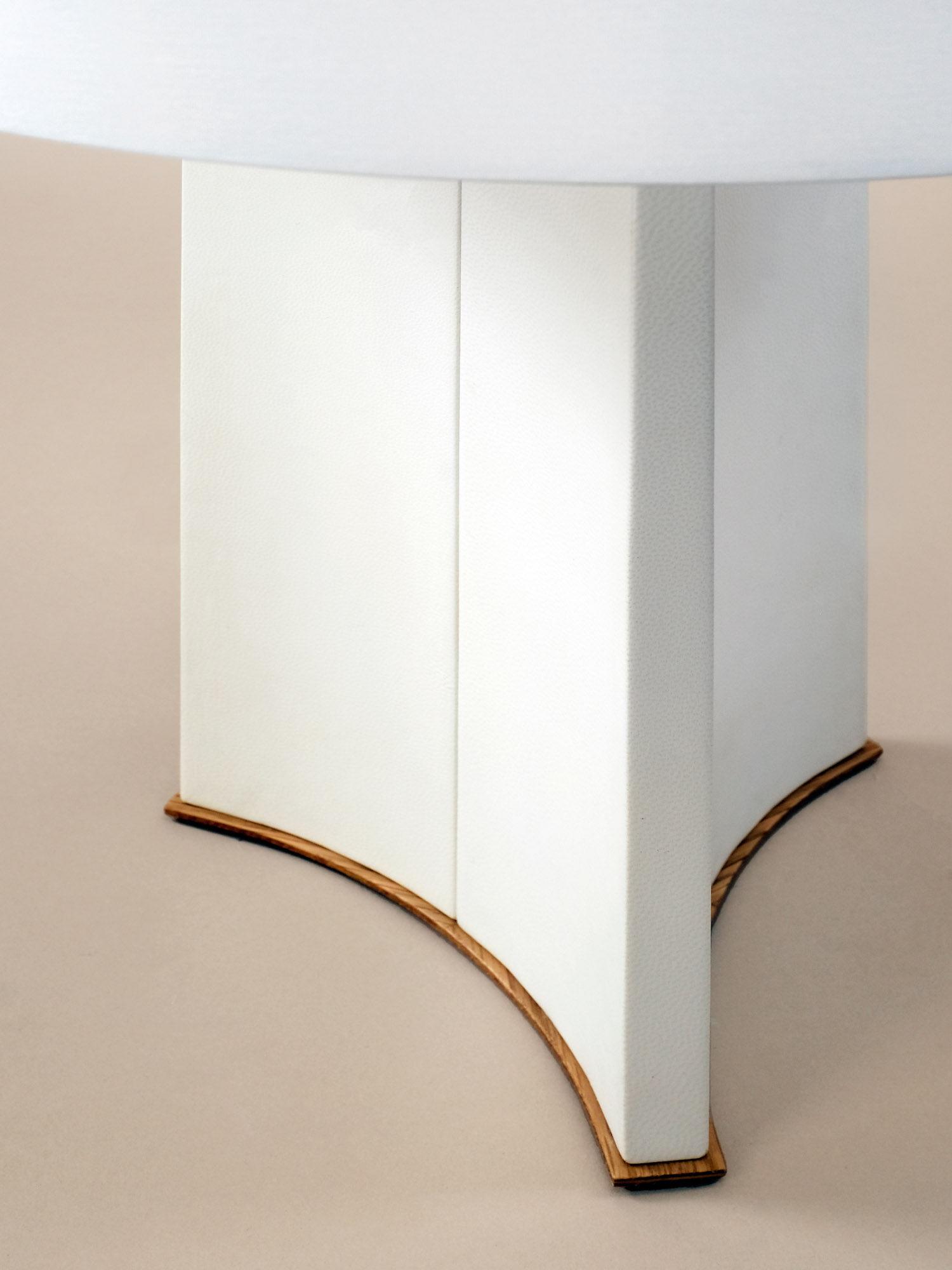
The Etoile lamp resembles an open book.
Its three curved faces are reminiscent of the pages of a manuscript still blank of any writing.
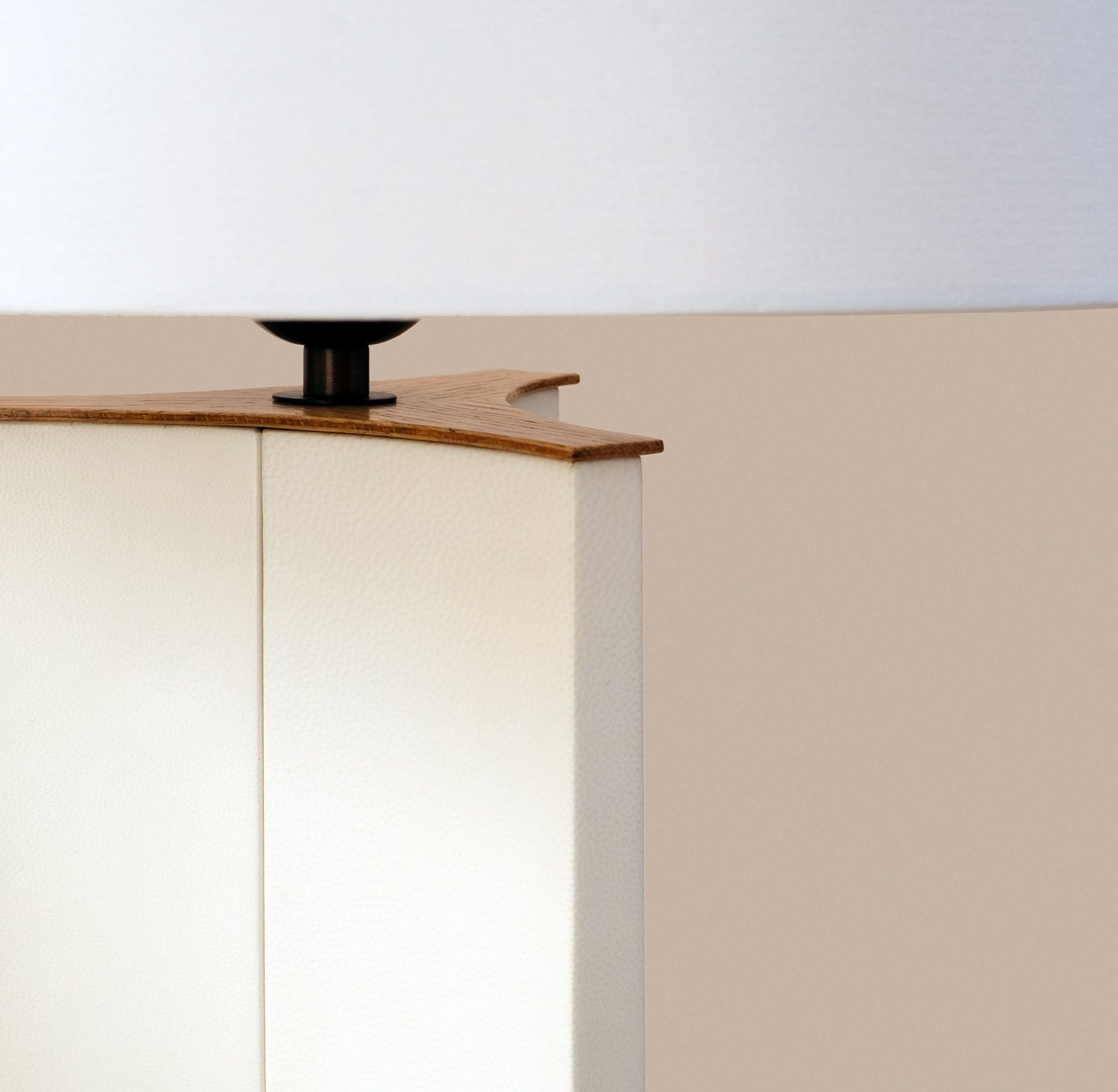
The parchment that covers the three sides of the lamp is set between two natural oak collars.
The object is soft, simple and luxurious.
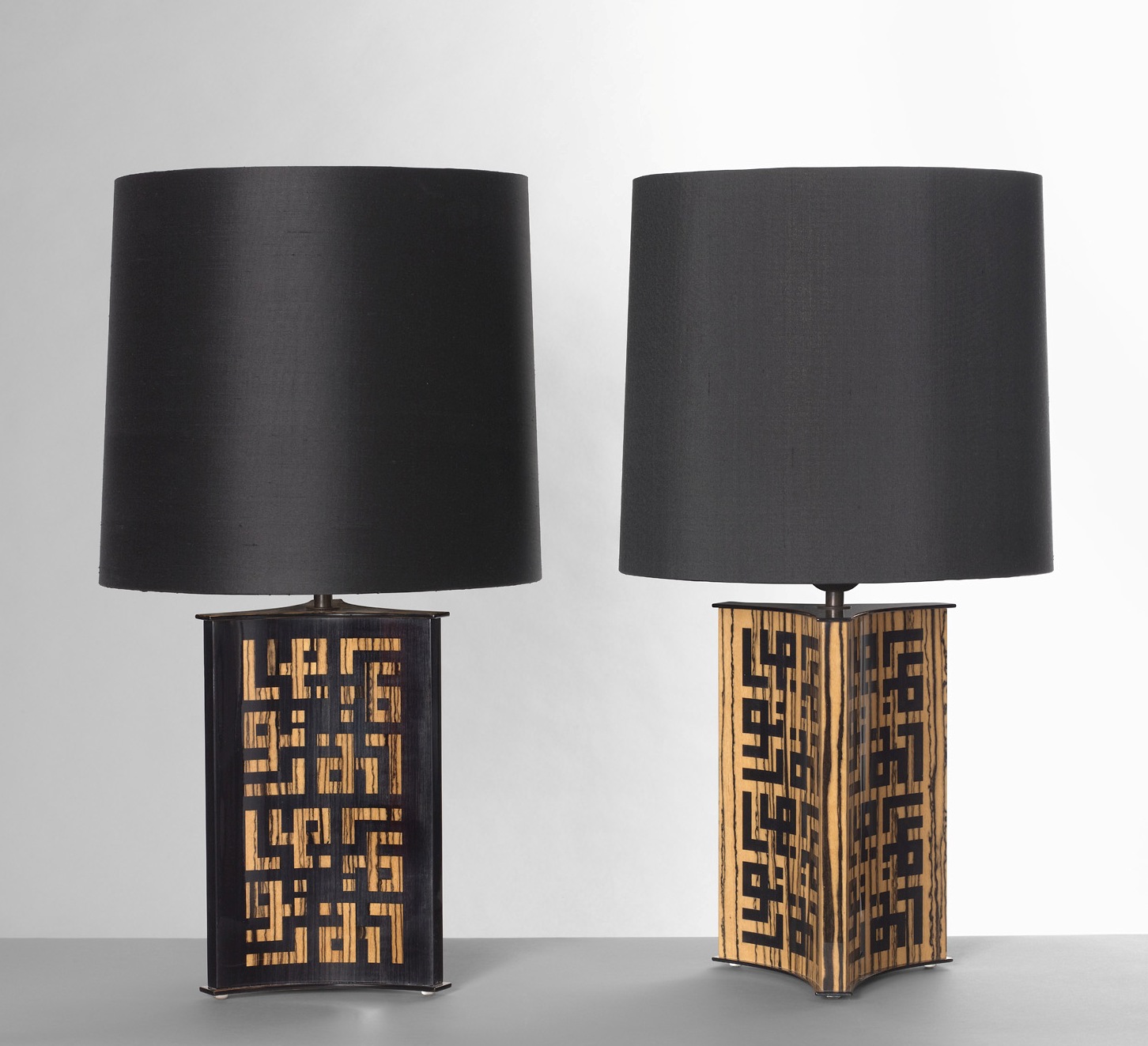
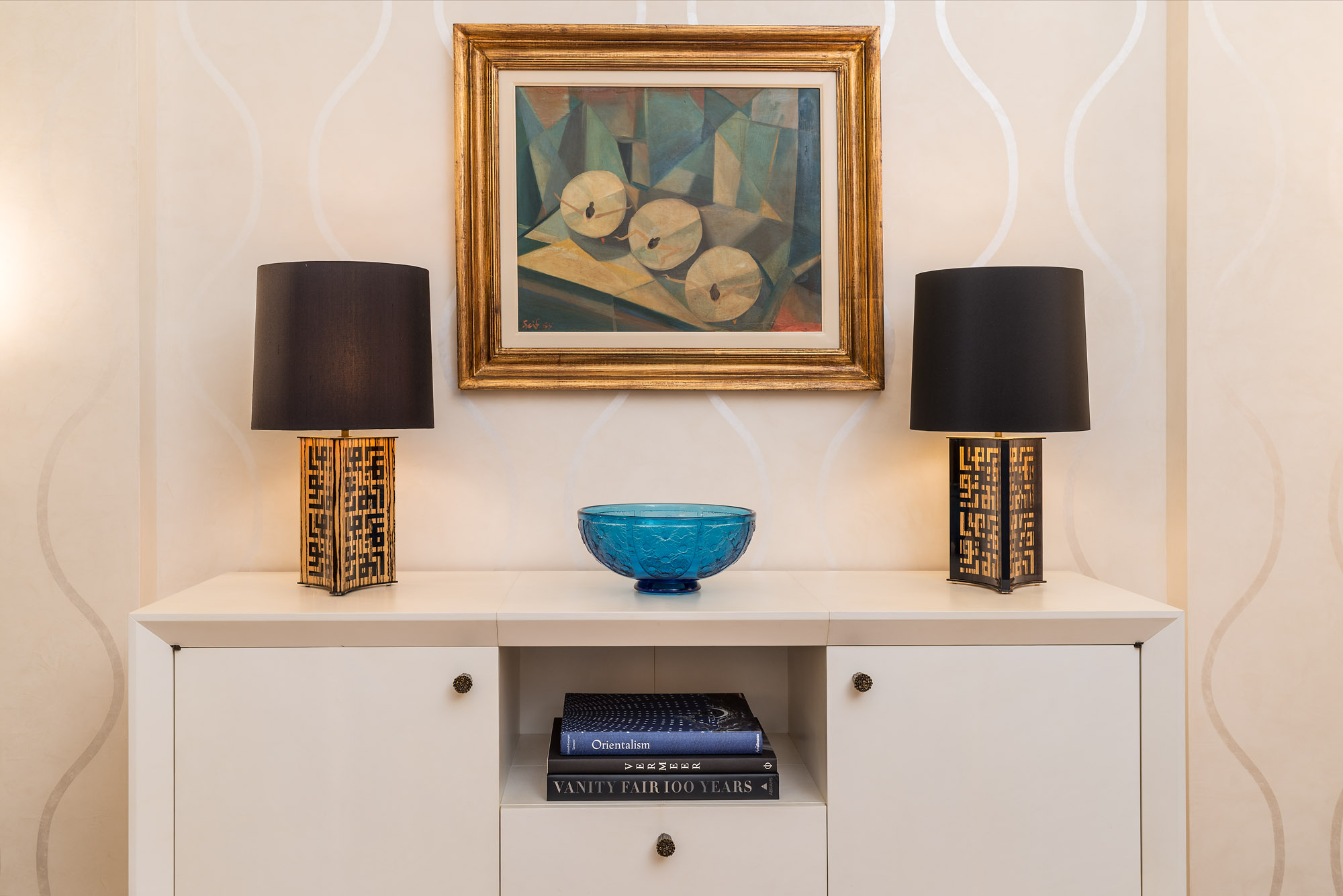
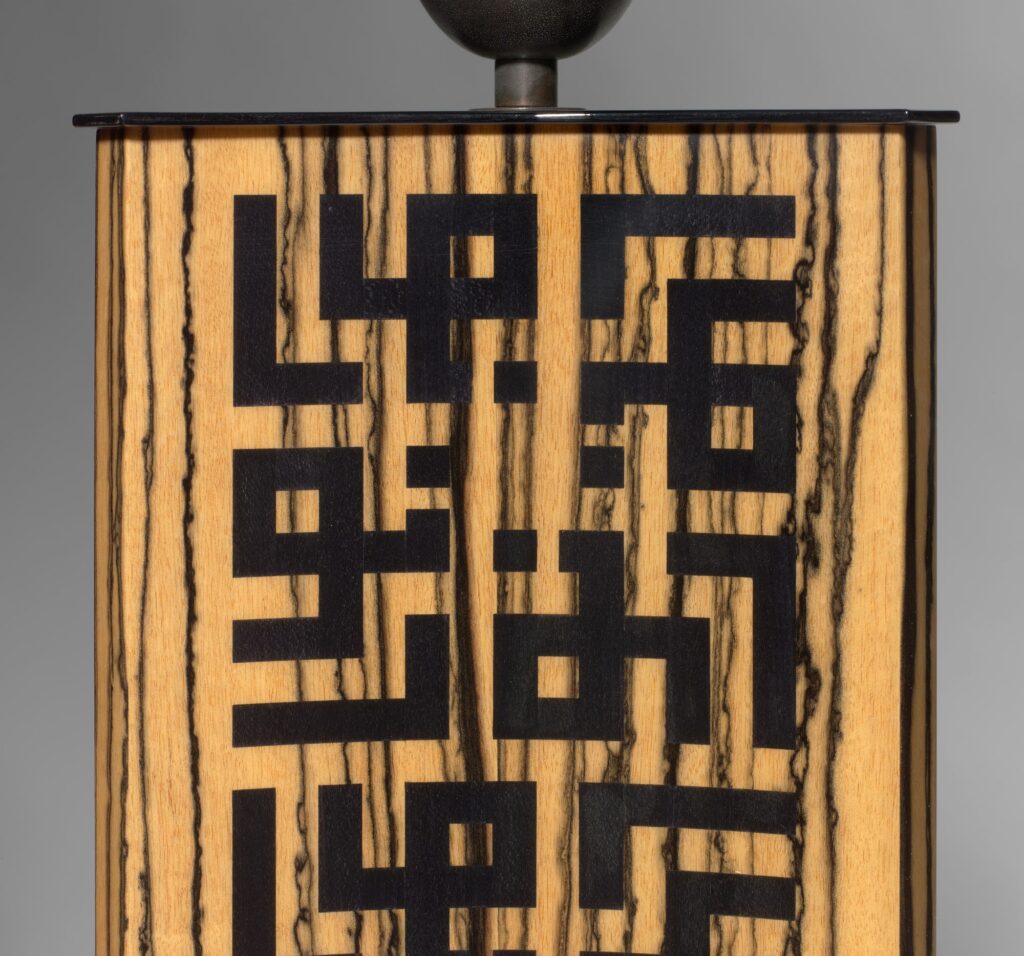
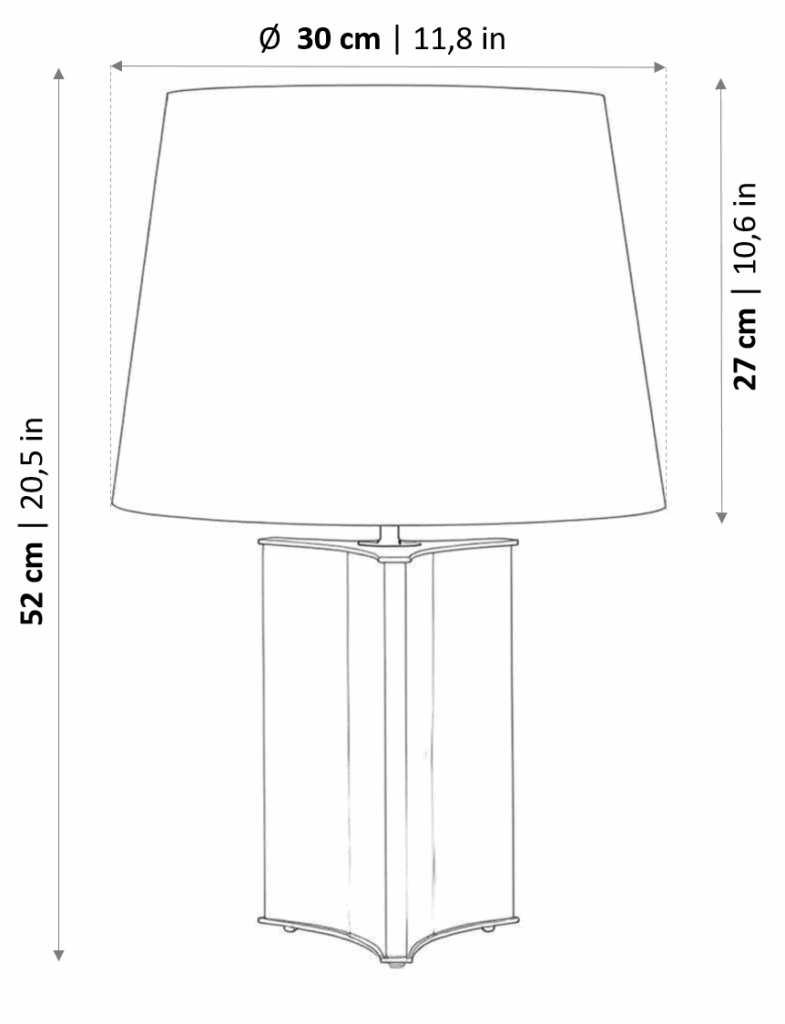
It allows for astonishing poetic variations such as this version adorned with Kufic calligraphy of the mor "nur" (which means "light") in white ebony marquetry…
natural oak top and base
Ancestral nobility of the parchment
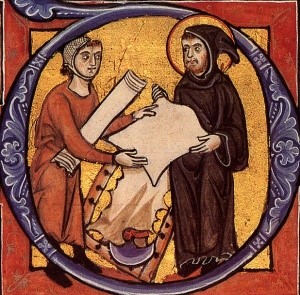
The Thebes I lamp showcases parchment, a material requiring the expertise of a master cabinetmaker to prepare, select, cut, and then glue the parchment skins onto the piece of furniture. Originally, parchment was used as a writing material before the invention of paper. Succeeding papyrus, the primary writing medium in the West until the 7th century, parchment was used extensively throughout the Middle Ages, particularly by monks who devoted much of their time to creating illuminated manuscripts. It is thanks to parchment that the great philosophical, scientific, and political texts of Greek and Roman antiquity were preserved and disseminated throughout Europe.
We primarily use goat parchment sourced in France. The hides are patiently cleaned in a lime bath, then polished and whitened with pumice and chalk powder. Before a piece of parchment can be worked, it must be moistened to restore its suppleness. This allows it to be used for covering curved shapes.