Nicolas Aubagnac
Collections
DARIUS
_lamp
 1 / 7
1 / 7
undisputed star
An icon of the collection
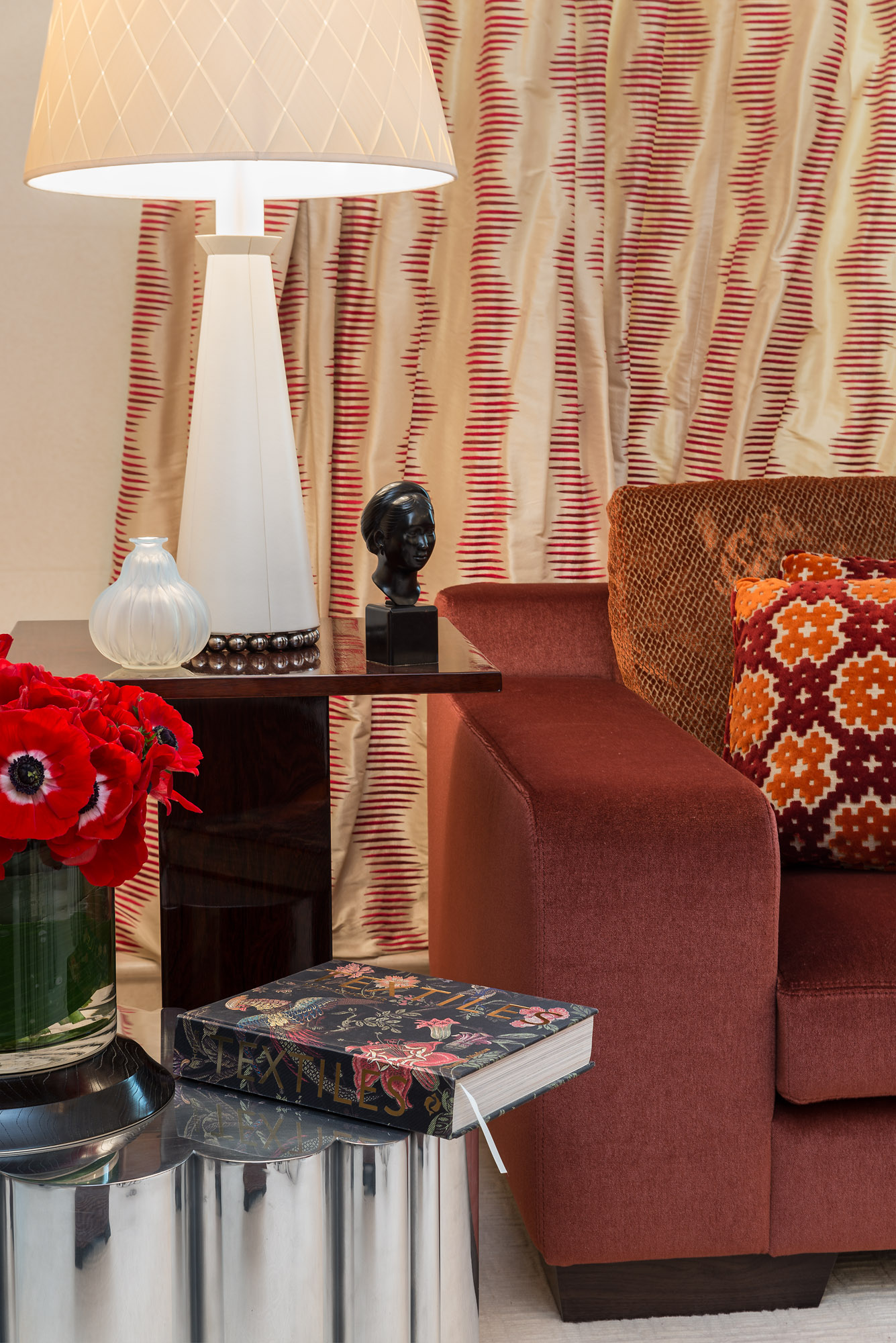
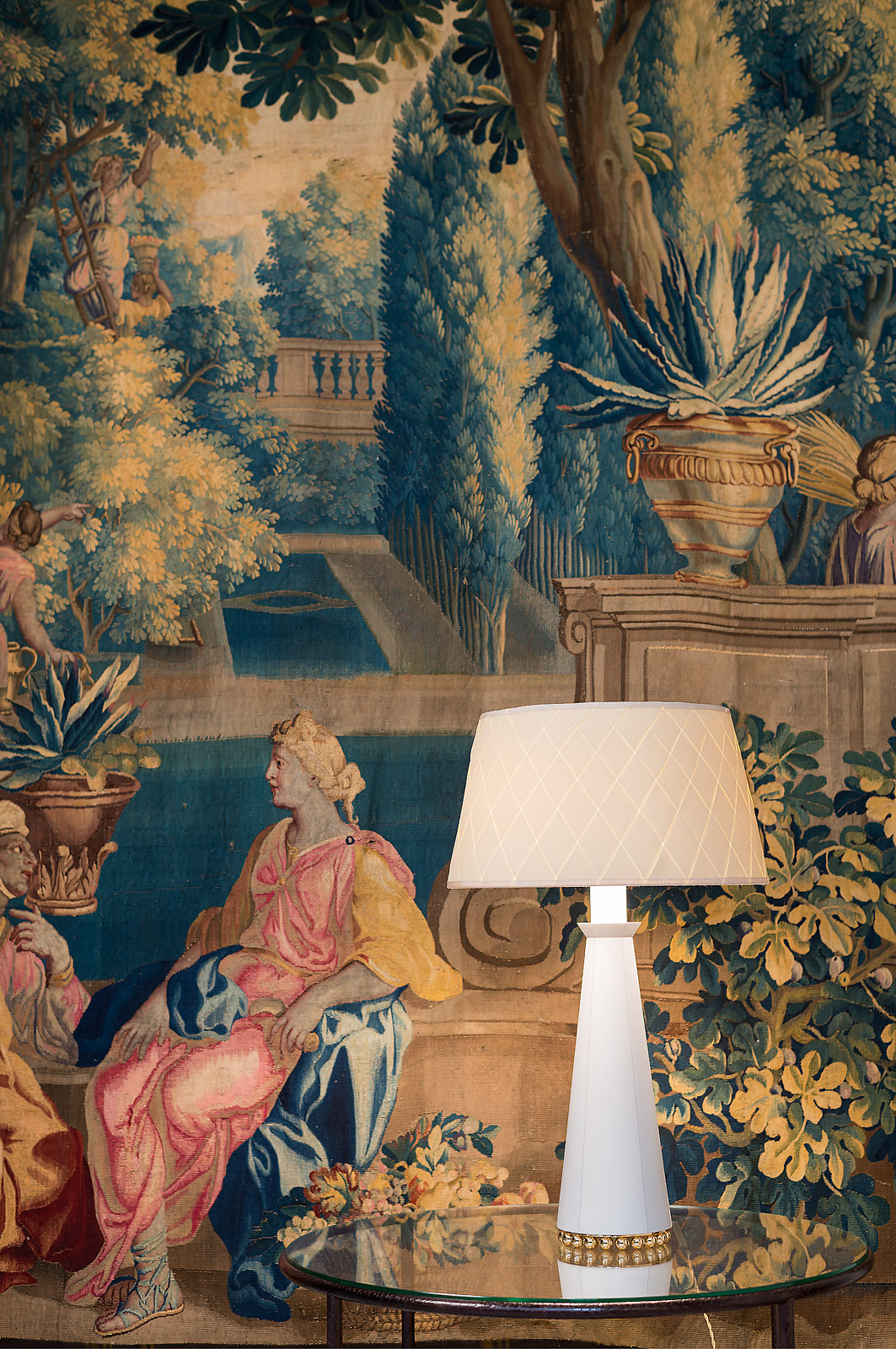
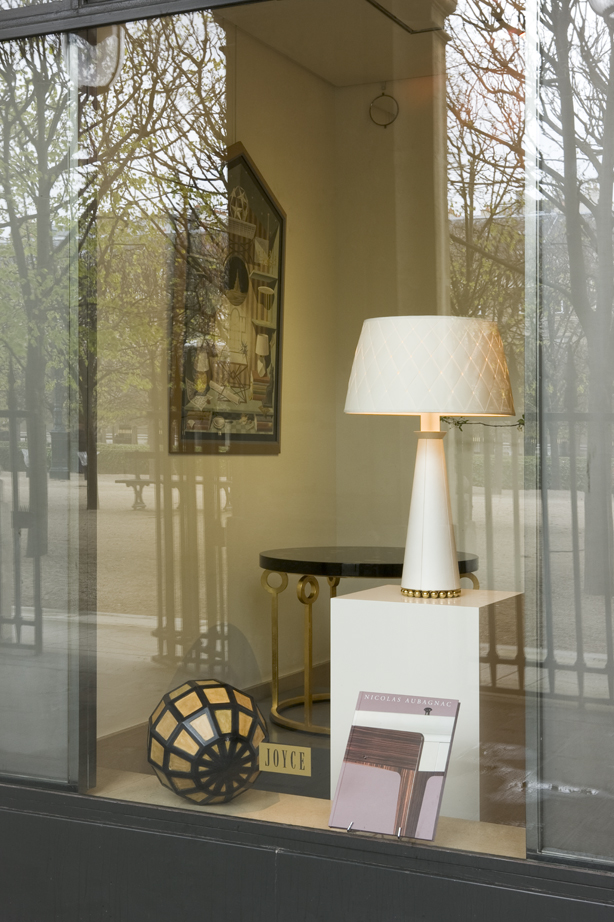
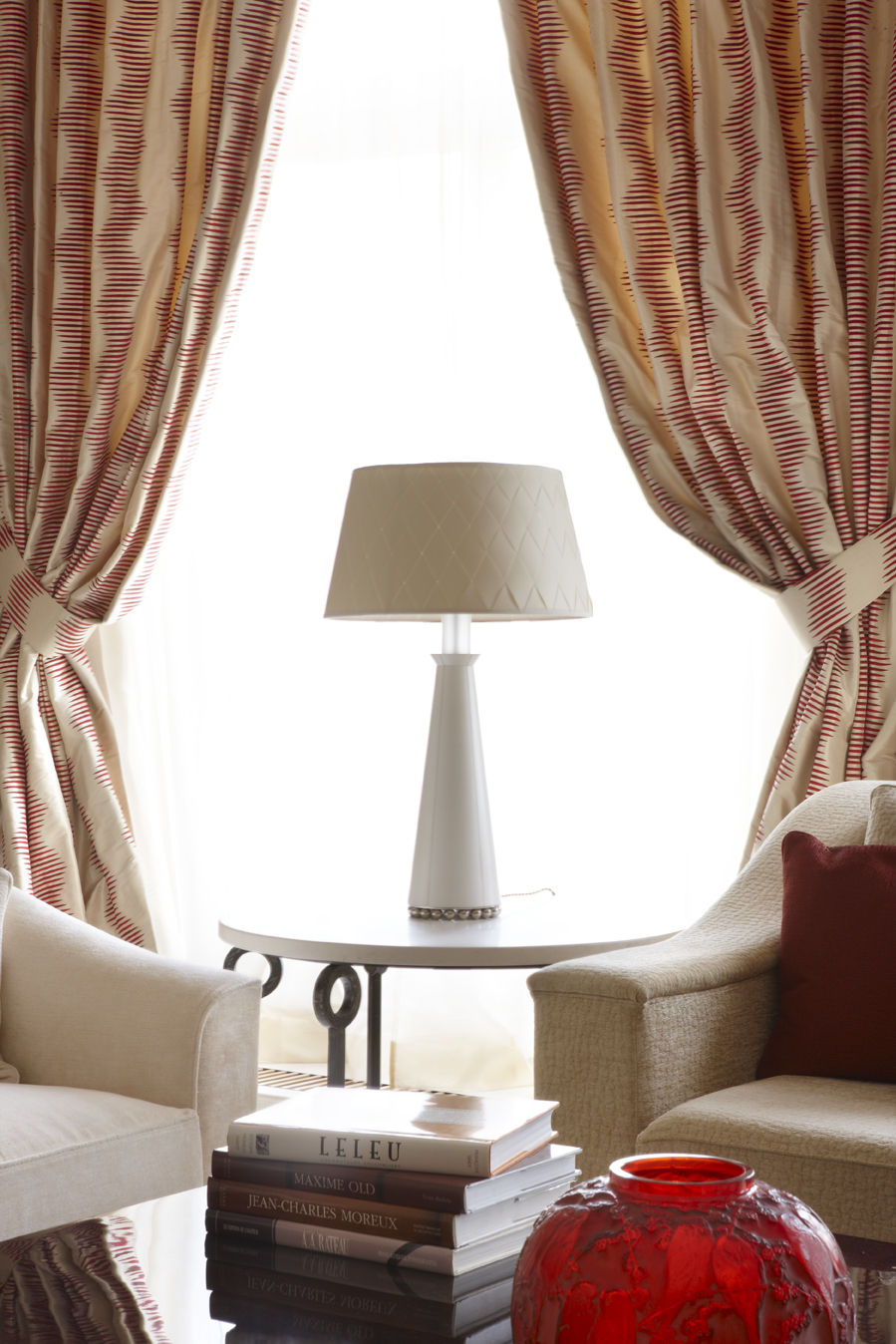
The Darius lamp was created in 1999, and its success is unwavering!
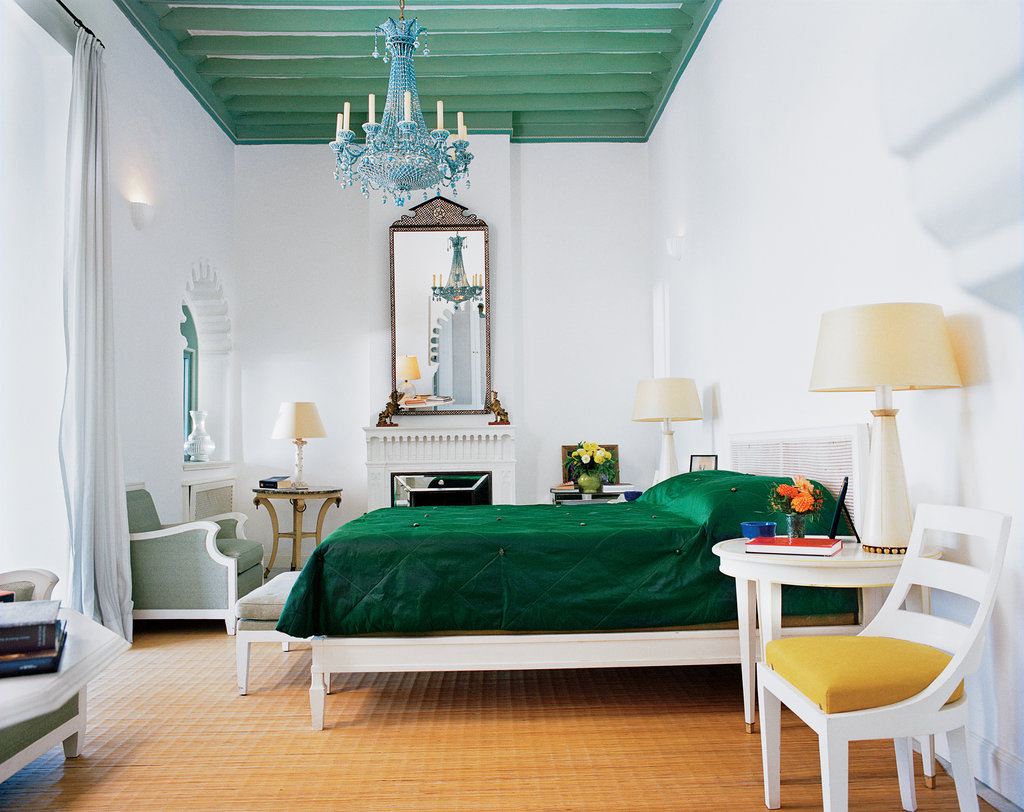
Its fame stems in particular from the fact that it was chosen by the decorator Jacques Grange to adorn the bedside tables of the couturier Yves Saint Laurent's bedroom in his villa in Tangier, La Mabrouka…
A legendary place for a legendary fashion designer!
Originally, this lamp was inspired by a trip to Athens:
While visiting the Acropolis, I was struck by the grace and perfect proportions of the marble columns of the temples.
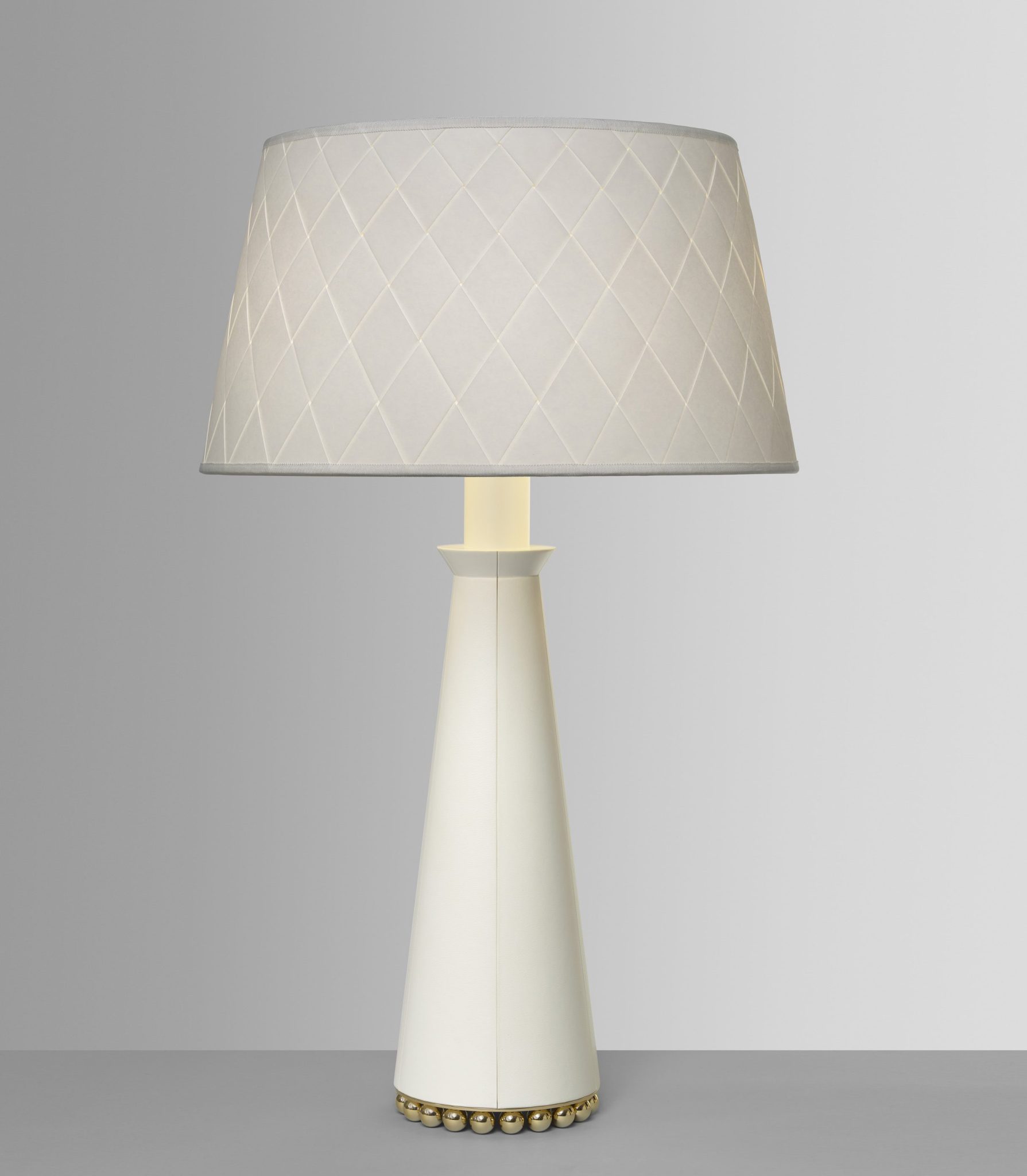
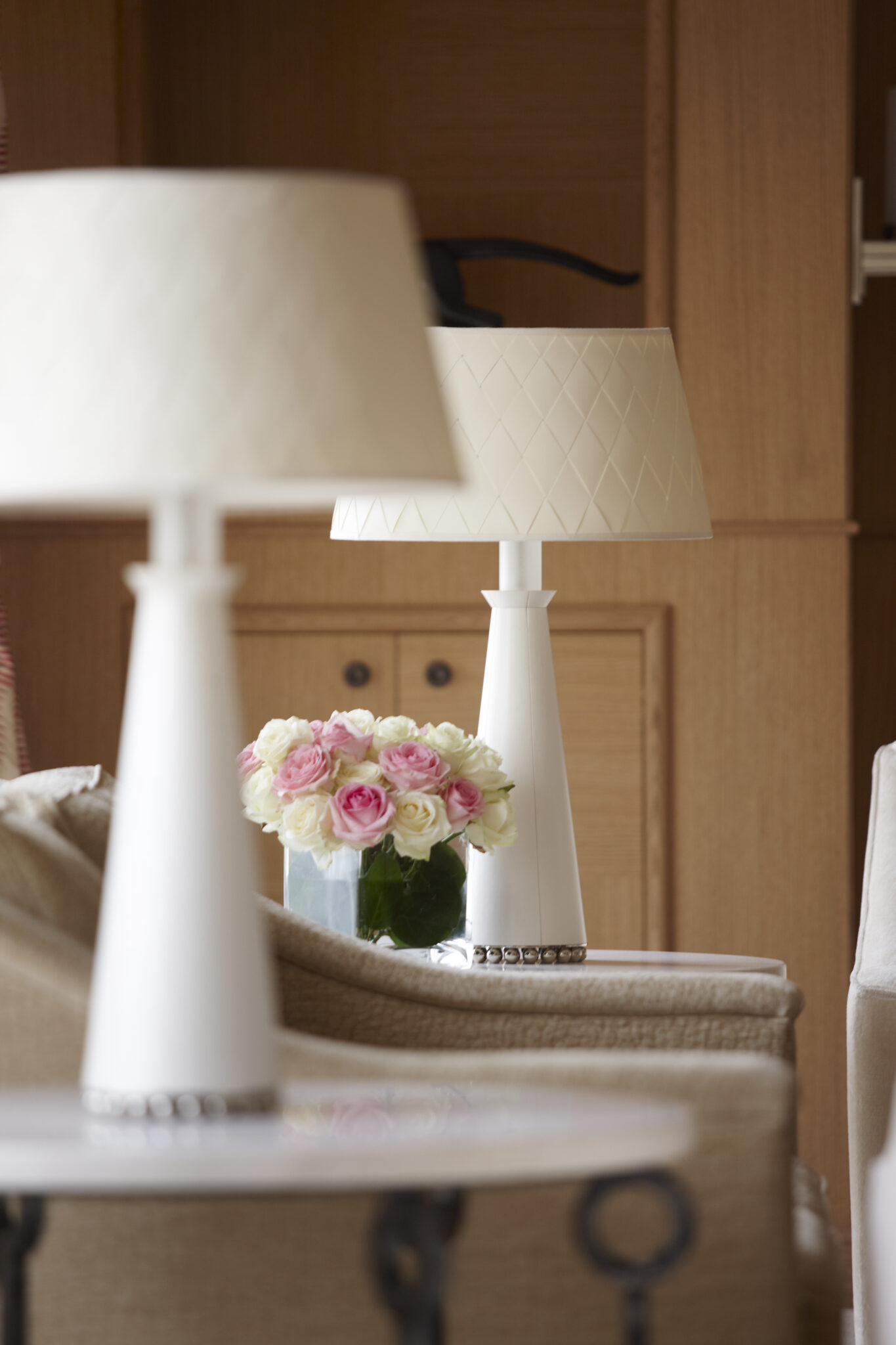
The Darius lamp, with its slender white silhouette, recalls the proportions of classical antiquity.
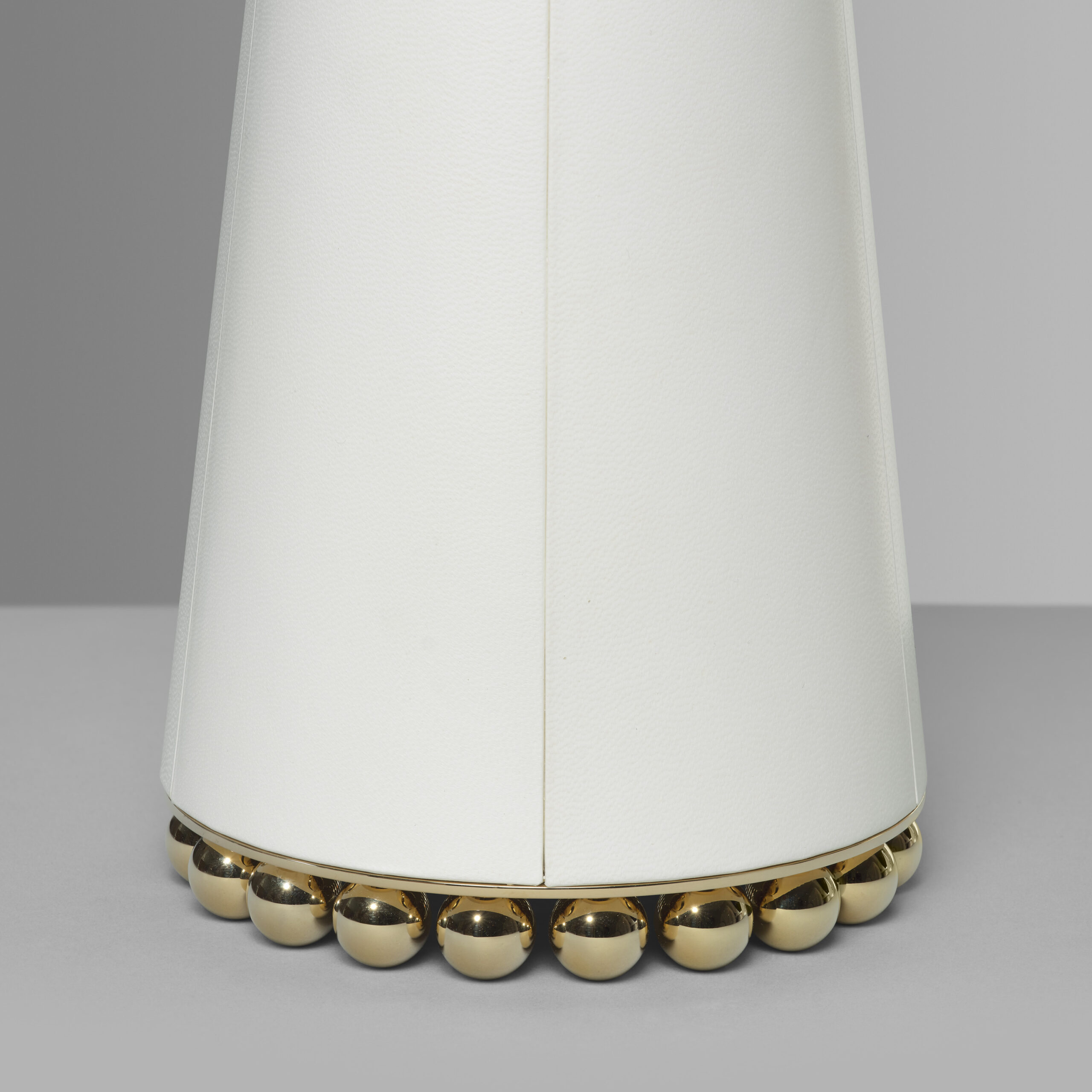
It is entirely covered in parchment, a precious and sensual material to the touch, like Greek marble.
The lamp rests on a crown-shaped brass base, like a piece of jewelry. The woven map shade reveals a refined diamond pattern.
A great classic from the house whose success remains undisputed.

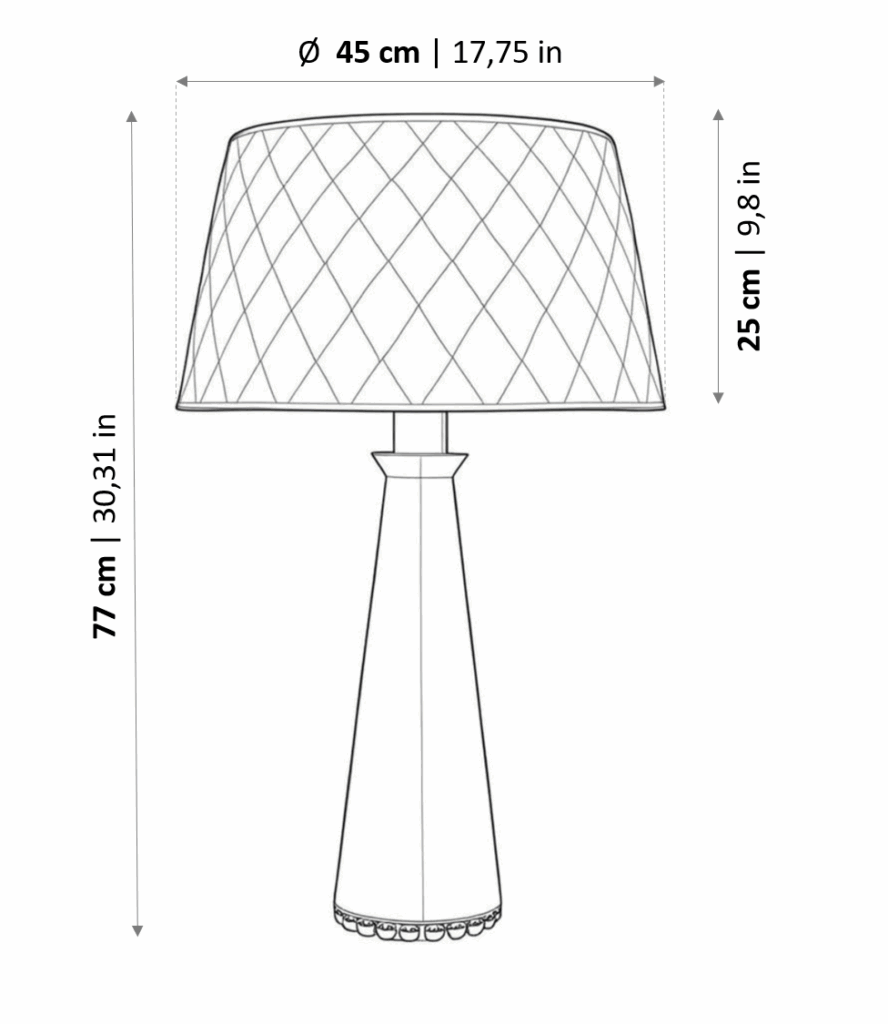
solid varnished brass base
lampshade made of woven card
Ancestral nobility of the parchment
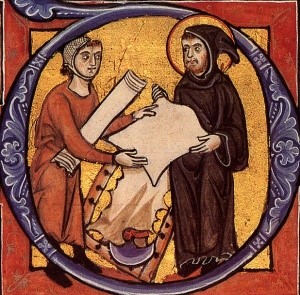
The Thebes I lamp showcases parchment, a material requiring the expertise of a master cabinetmaker to prepare, select, cut, and then glue the parchment skins onto the piece of furniture. Originally, parchment was used as a writing material before the invention of paper. Succeeding papyrus, the primary writing medium in the West until the 7th century, parchment was used extensively throughout the Middle Ages, particularly by monks who devoted much of their time to creating illuminated manuscripts. It is thanks to parchment that the great philosophical, scientific, and political texts of Greek and Roman antiquity were preserved and disseminated throughout Europe.
We primarily use goat parchment sourced in France. The hides are patiently cleaned in a lime bath, then polished and whitened with pumice and chalk powder. Before a piece of parchment can be worked, it must be moistened to restore its suppleness. This allows it to be used for covering curved shapes.