Nicolas Aubagnac
Collections
BABYLONE
_lamp
 1 / 3
1 / 3
Babylon on Hudson…
contemporary architecture
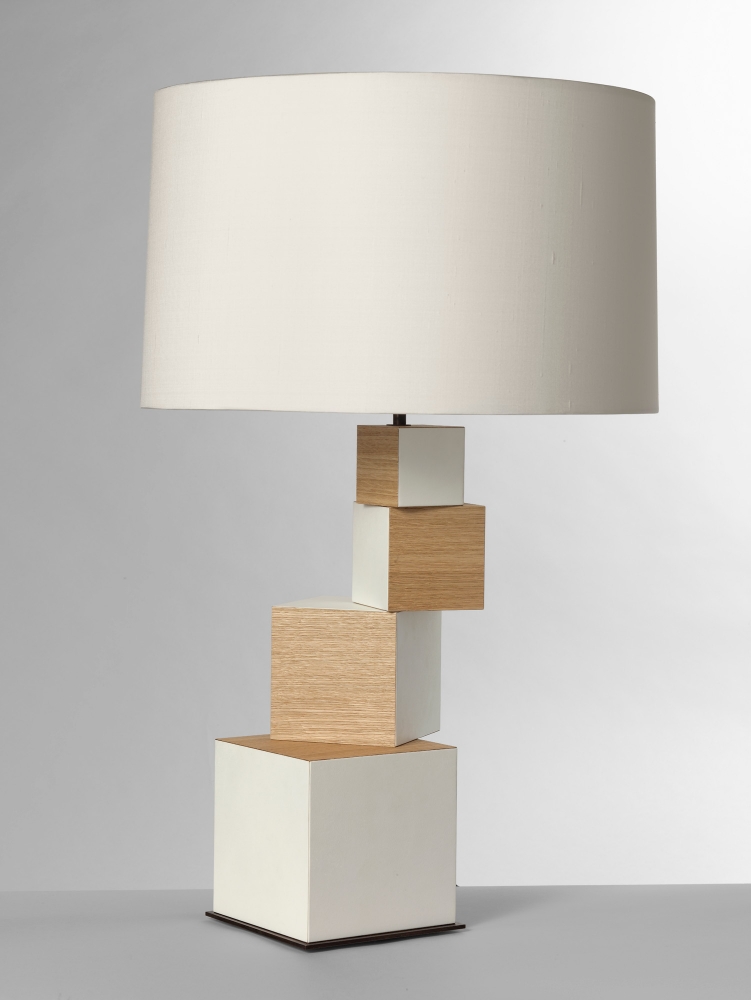
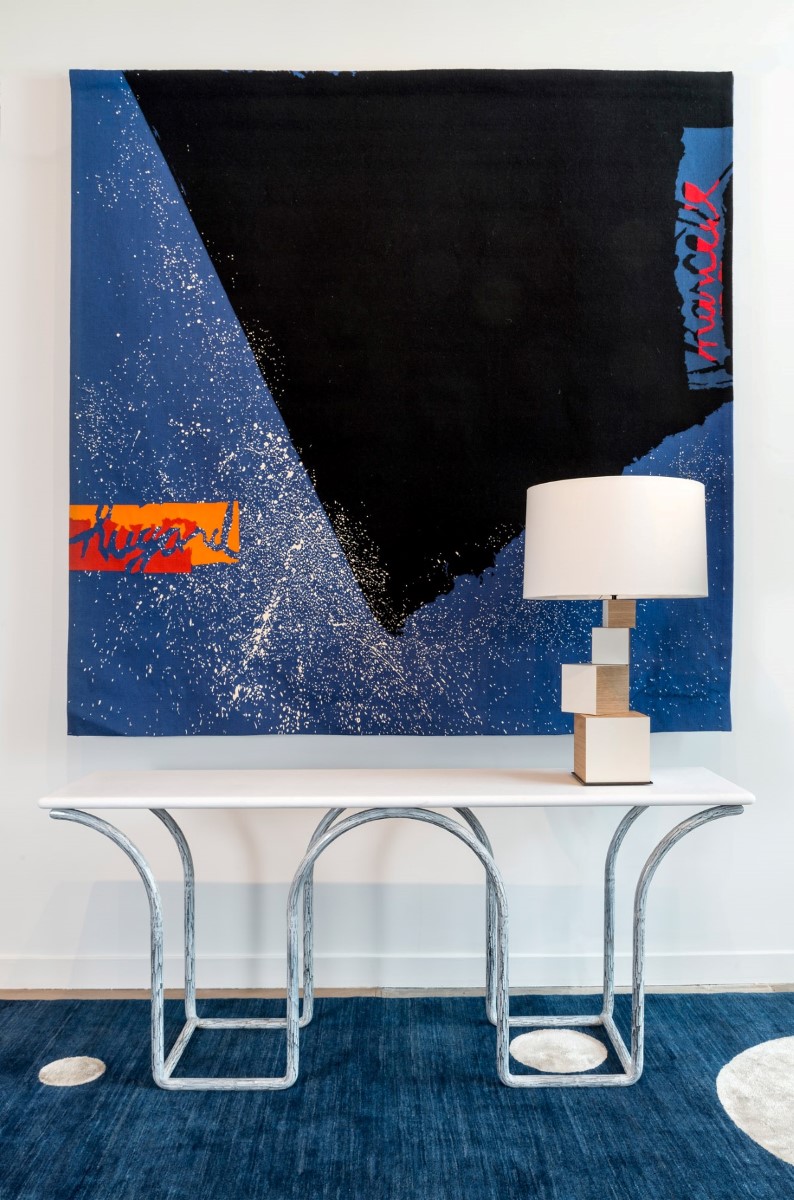
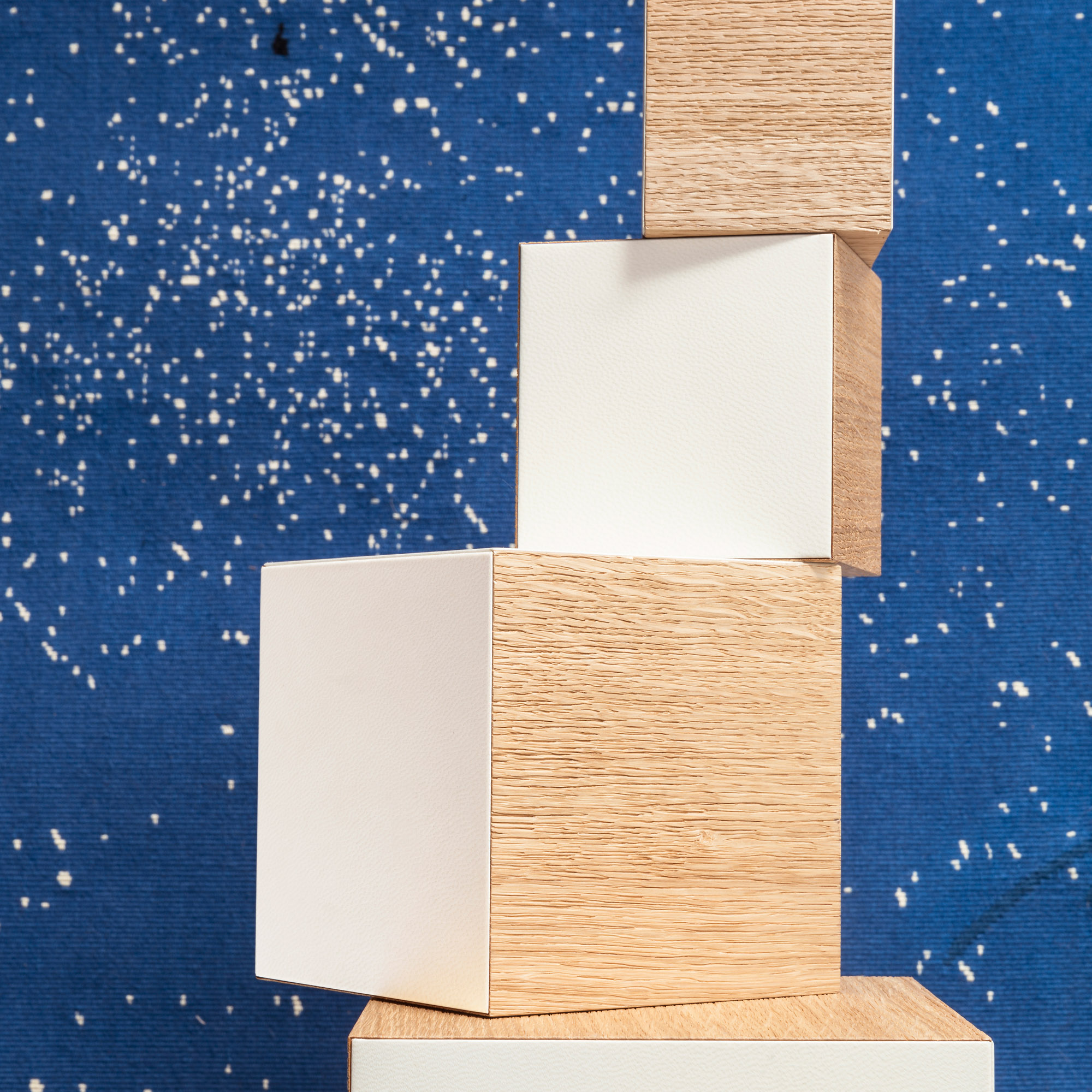
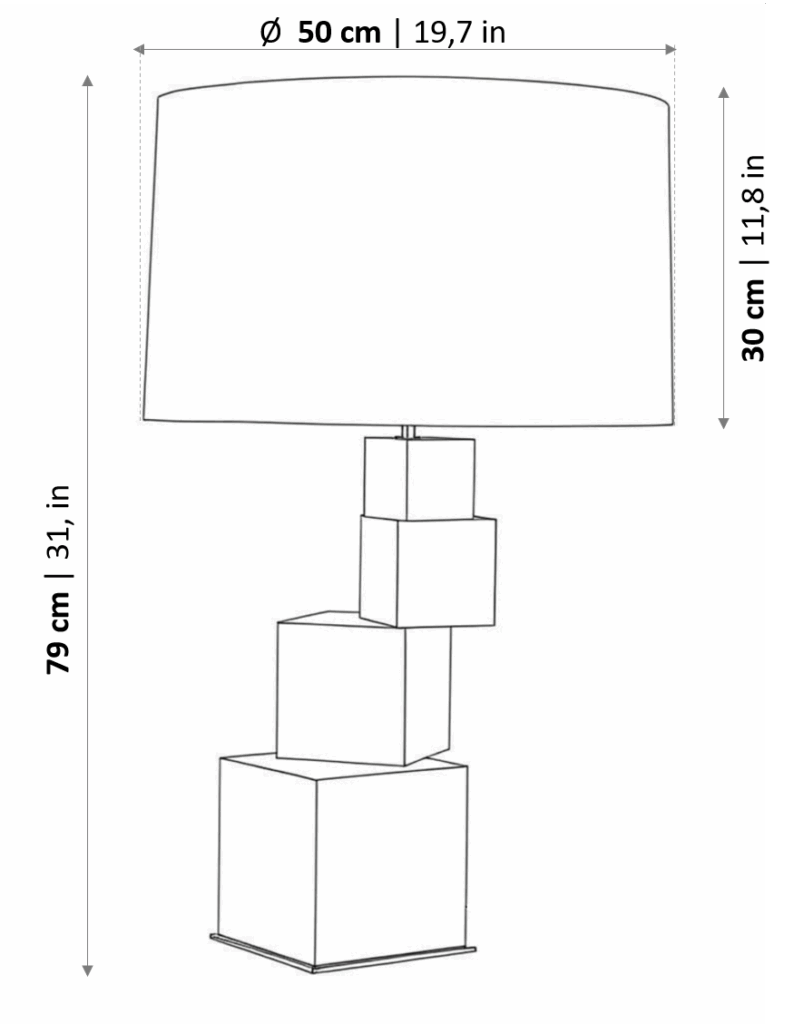
The Babylon lamp is carved from parchment and sanded oak.
It borrows its architectural silhouette from the skyscrapers of great architects, here one of the latest creations of Herzog and de Meuron in New York.
The alternation of the two materials creates a very graphic «cubist» effect that echoes the interplay of glass and concrete facets in this spectacular tower.

brushed natural oak veneer
patinated steel base
The nobility of the parchment
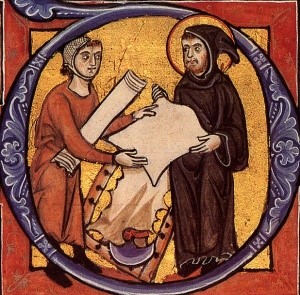
The Babylon lamp showcases parchment, which requires the expertise of a master cabinetmaker to prepare the parchment skins, select them, cut them, and then glue them onto the piece of furniture. Originally, parchment was used as a writing material before the invention of paper. Succeeding papyrus, the primary writing medium in the West until the 7th century, parchment was used extensively throughout the Middle Ages, particularly by monks who devoted much of their time to creating illuminated manuscripts. It is thanks to parchment that the great philosophical, scientific, and political texts of Greek and Roman antiquity were preserved and disseminated throughout Europe.
We primarily use goat parchment sourced in France. The hides are patiently cleaned in a lime bath, then polished and whitened with pumice and chalk powder. Before a piece of parchment can be worked, it must be moistened to restore its suppleness. This allows it to be used for covering curved shapes.