A textile writing style that lies between decorative art and storytelling
French designer and interior architect Nicolas Aubagnac develops a unique body of work at the crossroads of furniture, art objects, and exceptional craftsmanship. His work is rooted in a self-proclaimed continuity with French decorative arts, while simultaneously seeking to project classicism into the present—and even into the future.
In this approach, tapestry occupies a special place. For him, it becomes a medium of expression in its own right, where the textile material—wool, relief, density—is worked as a narrative surface. Each piece is conceived as a collector's item, designed and made in France, signed, and destined to transcend time and become part of the heritage of decorative arts.
But beyond the material, a true form of writing unfolds: a visual writing nourished by symbolic and literary references.
2025: Hive and Mandorla, birth of a language
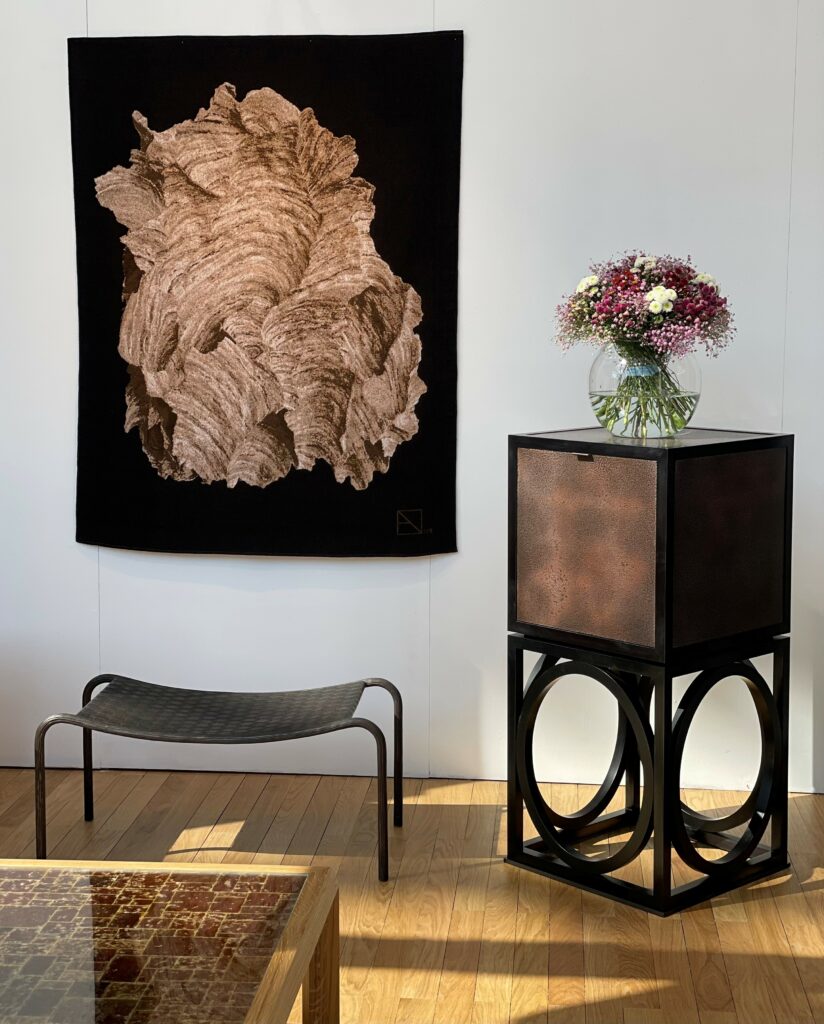
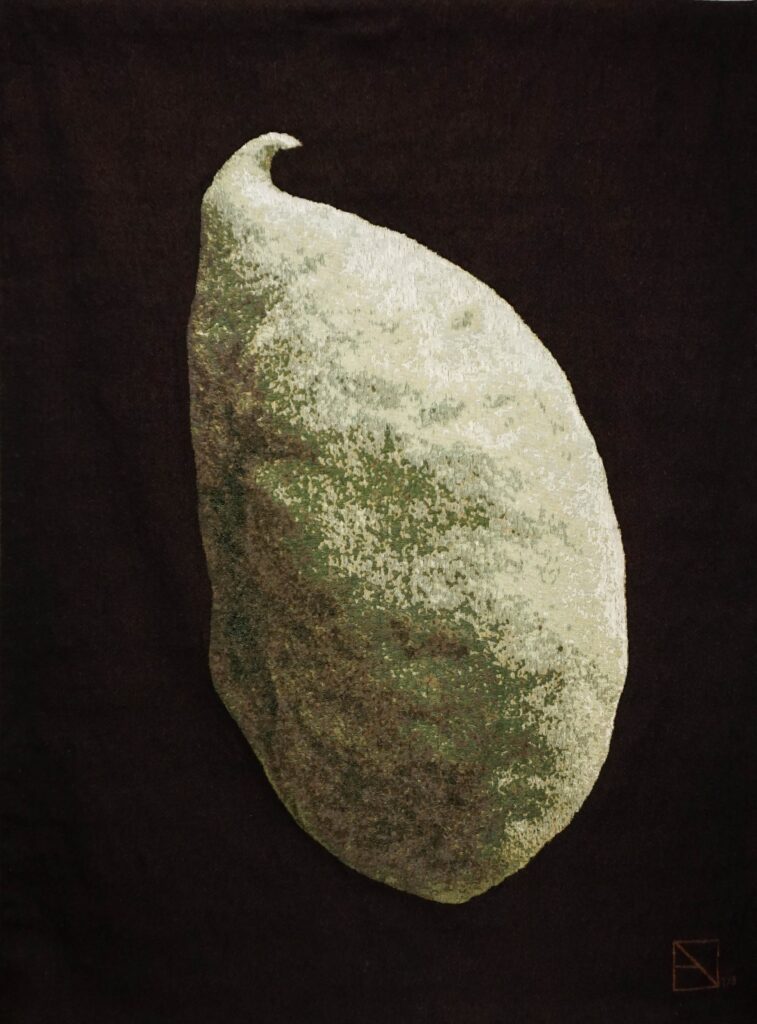
In 2025, at the Art Paris fair at the Grand Palais, Nicolas Aubagnac will unveil his first tapestries: Hive I, Hive II And Mandorla.
These works laid the foundations of his textile vocabulary.
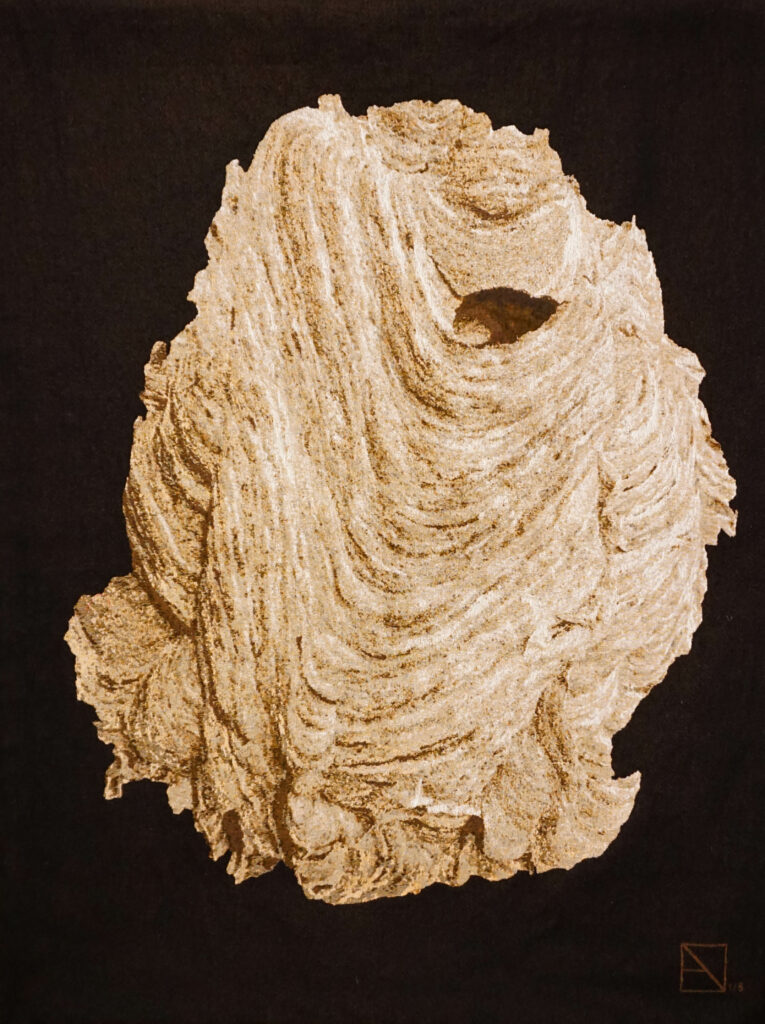
- Hive I And Hive II They explore an organic geometry inspired by the honeycomb structure. They evoke natural architecture, the collective, and a form of universal order.
- Mandorla, Meanwhile, it evokes a more spiritual symbolism: this almond shape, inherited from sacred iconography, becomes a space of passage between inside and outside, between visible and invisible.
The success was immediate: collectors and influencers praised the plastic power of these pieces and their ability to reactivate a historical medium in a contemporary style.
2026: Persephone, B612, Lothlorien — the tapestry as literature
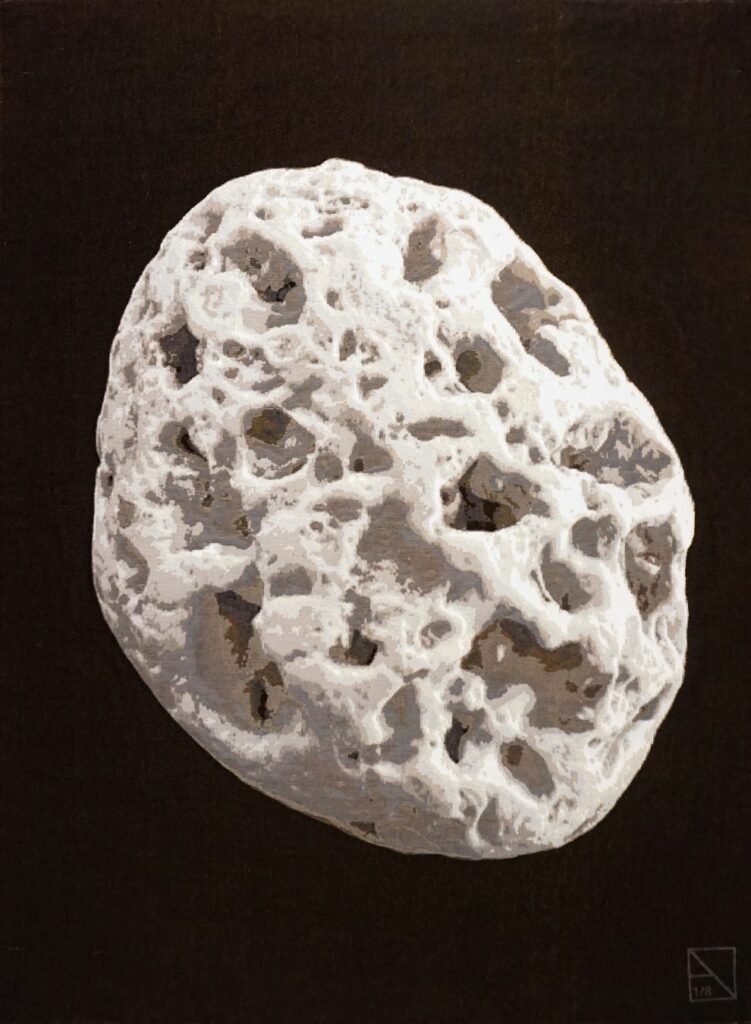
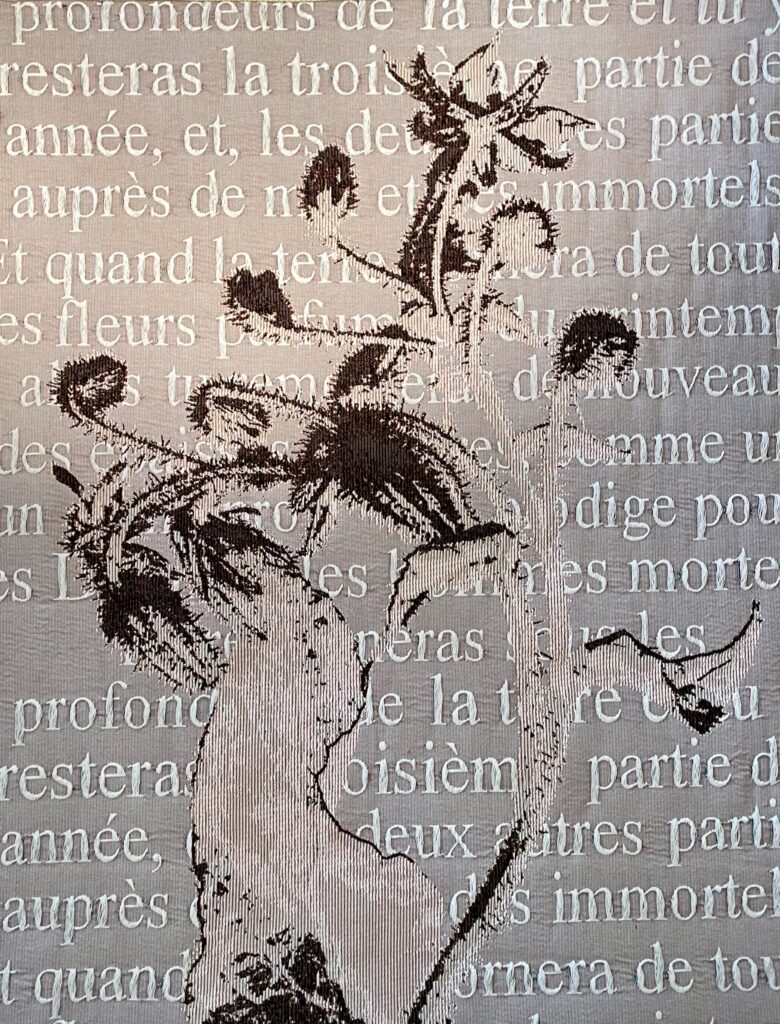
In 2026, still at Art Paris, Nicolas Aubagnac continues and deepens this research with three new tapestries: Persephone, B612 And Lothlórien.
The choice of titles marks a decisive evolution: the tapestry explicitly becomes a space for dialogue with literature.
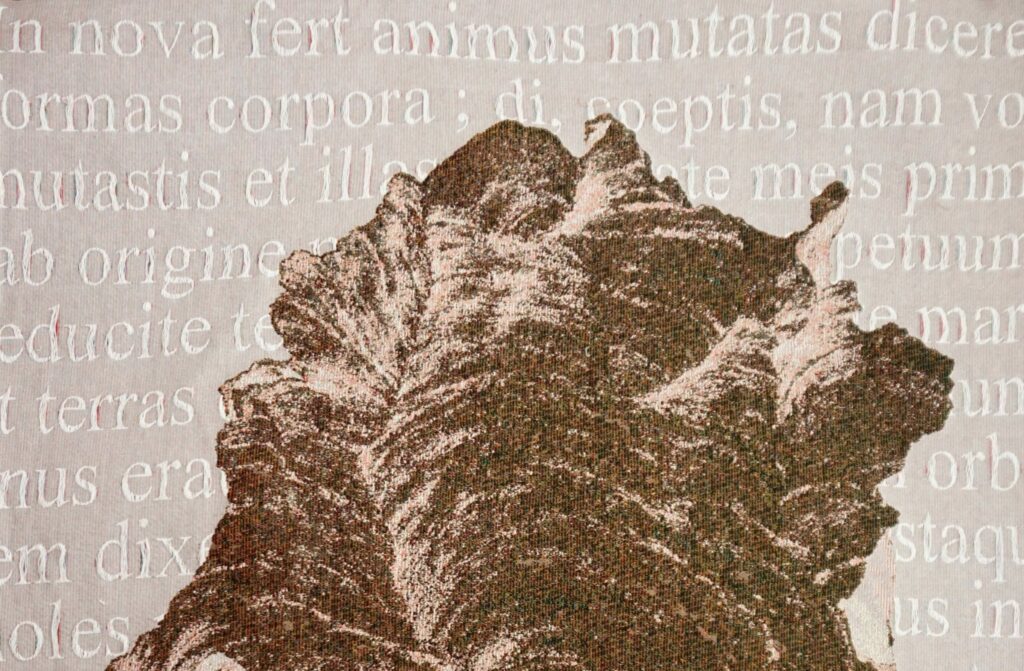
- Persephone draws on Greek mythology. The figure of Persephone, between the world of the living and the underworld, echoes an aesthetic of transition, already present in Mandorla.
- B612 refers directly to the asteroid of The Little Prince by Antoine de Saint-Exupéry. The tapestry here becomes a fragment of imagination, a mental landscape, almost cosmic.
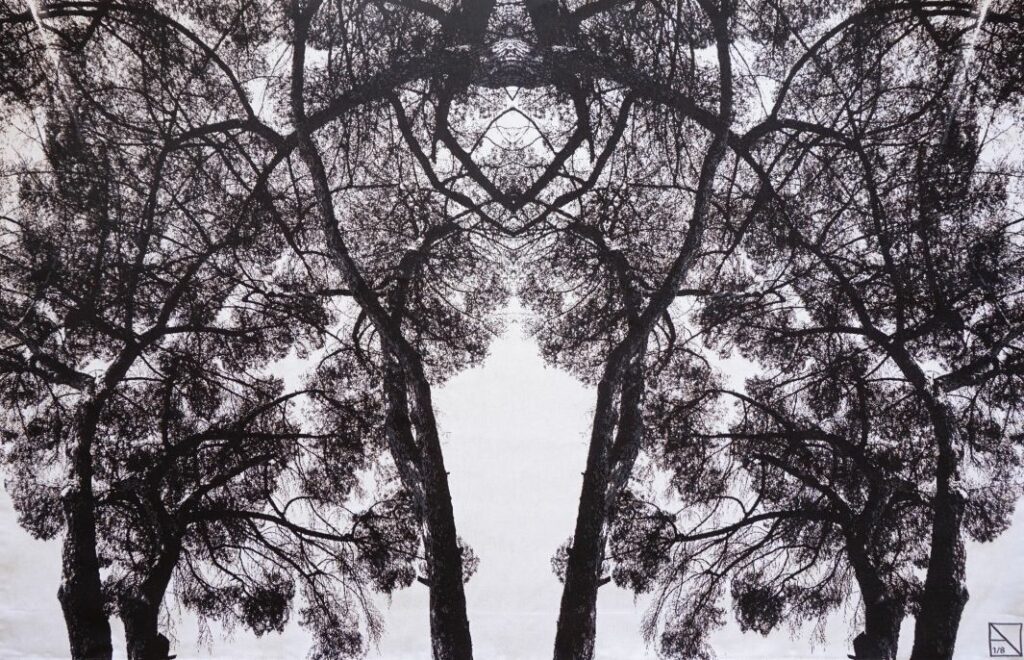
- Lothlórien evokes the mythical forest of JRR Tolkien's universe, a suspended, timeless place where light and matter seem unreal.
Through these works, Aubagnac affirms a fundamental principle: tapestry is not merely decorative, it is narrative. It acts as a silent text, a surface to be read as much as looked at.
This literary dimension is not limited to intention: it is physically inscribed in the work. The texts that inspire each tapestry are woven onto the back of the pieces, like a hidden memory, an invisible layer of the narrative. This device reinforces the link between literature and material, and introduces an intimate, almost secret, reading of the work.
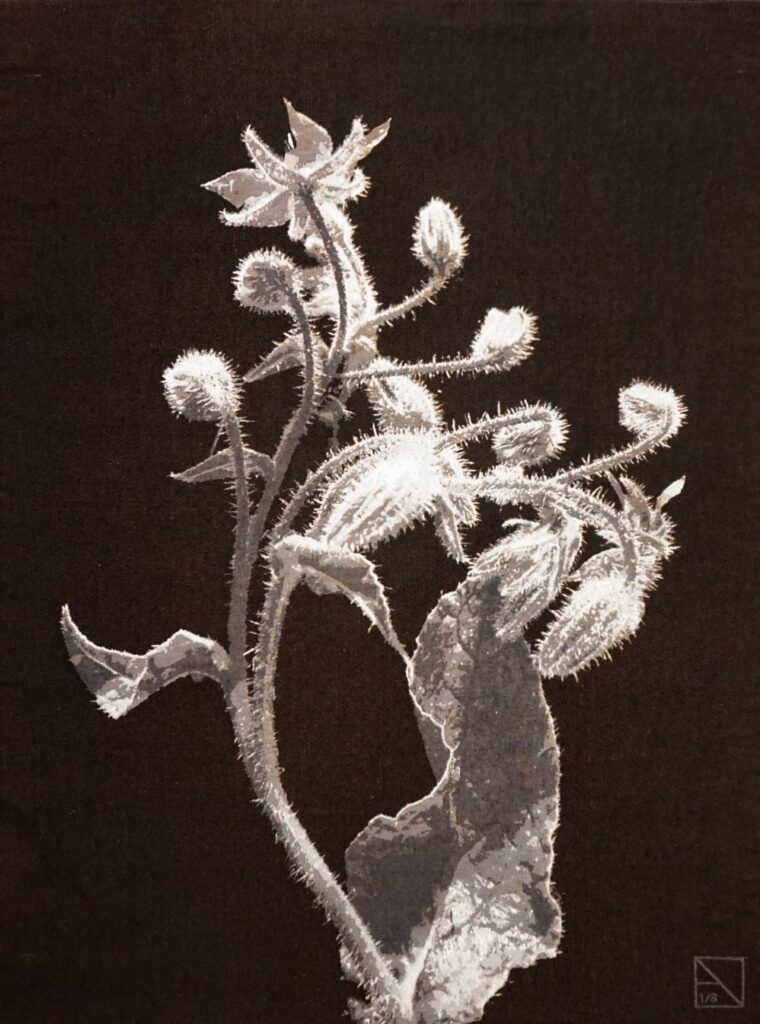
Towards an author's tapestry
With Hive, Mandorla, Then Persephone, B612 And Lothlórien, Nicolas Aubagnac does not simply revisit the tapestry: he offers an authorial interpretation of it.
At the crossroads of design, art, and literature, her works contribute to a renewal of contemporary decorative arts. They affirm a clear ambition: to make tapestry a living medium, capable of conveying complex imaginaries and engaging in dialogue with major cultural references.
In this respect, Aubagnac is part of a French tradition of "beauty" — but a tradition in motion, focused on creating the classics of tomorrow.